
Winter often means spending more time indoors, but it can also mean breathing air that isn’t as clean or comfortable as it should be. By February, many homeowners start noticing more dust, lingering odors, dry air, or allergy flare-ups. Improving indoor air quality at this point in the season can make a noticeable difference in comfort and health while setting your home up for a cleaner transition into spring.
Why Indoor Air Quality Declines During Winter
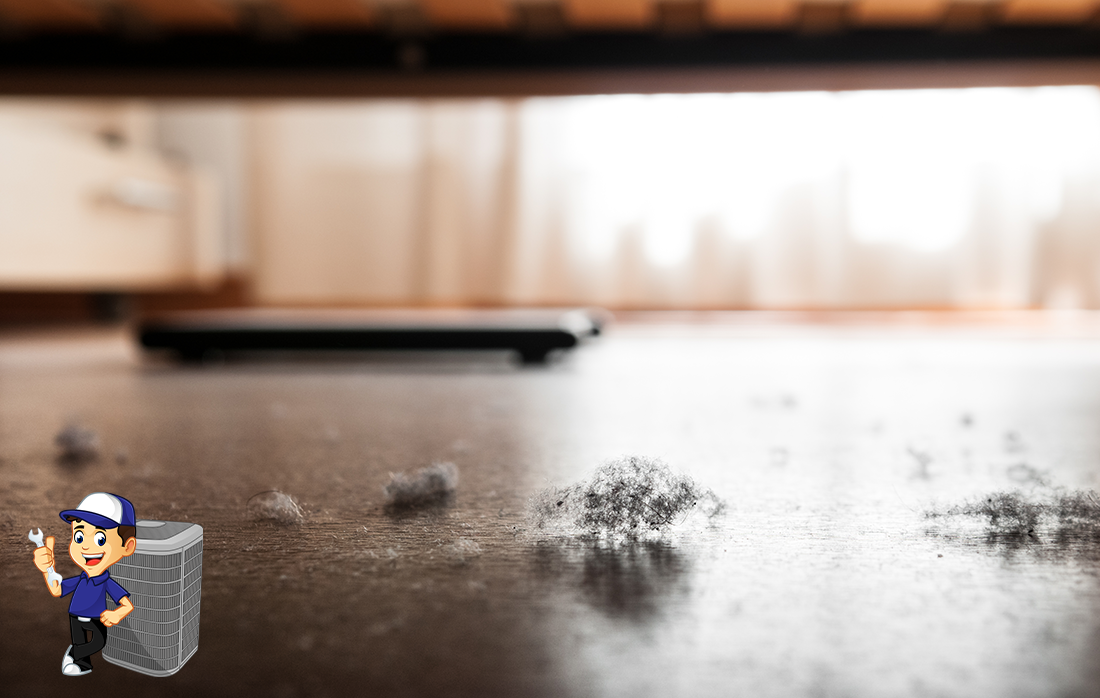
During winter, homes are sealed more tightly to keep heat inside. While this helps with energy efficiency, it also limits fresh air circulation. As a result, airborne particles like dust, pet dander, and allergens tend to build up over time instead of being flushed out.
Heating systems also run more frequently, which can circulate contaminants through ductwork and living spaces. By February, months of continuous system use often mean that what’s inside your ducts and filters has had plenty of time to accumulate.
Common Winter Air Quality Issues Homeowners Notice
Poor indoor air quality often shows up in subtle ways. Dust may settle faster on surfaces, rooms may feel stuffy, or the air may feel uncomfortably dry. Allergens can become more noticeable, especially when indoor air lacks proper filtration or humidity balance.
Dry air is another common winter issue. Low humidity can cause discomfort, dry skin, and irritation, while uneven humidity levels may make some areas of the home feel less comfortable than others. Addressing these issues in February helps restore balance before spring allergens arrive.
How Duct Cleaning and Sealing Improve Airflow
Over time, ductwork can collect dust, debris, and other airborne particles. When the heating system runs, these contaminants can be redistributed throughout the home. Professional duct cleaning helps remove buildup that standard filter changes can’t address.
Duct sealing also plays an important role. Leaky ducts allow contaminants from unconditioned spaces to enter the air supply while reducing overall system efficiency. Sealed ductwork supports cleaner air and more consistent comfort.
Filters and Air Purification Solutions That Make a Difference
High-quality filtration is one of the most effective ways to improve indoor air quality. Advanced filters capture smaller particles that standard filters may miss, helping reduce dust and allergens in the air you breathe.
Air purification systems add another layer of protection by targeting airborne contaminants throughout the home. February is an ideal time to explore these options, especially before allergy season begins.
Why February Is the Ideal Time for IAQ Improvements
By late winter, indoor air issues are usually well established—but spring demand hasn’t yet peaked. That makes February a smart time to schedule an indoor air quality assessment and address concerns without seasonal delays.
Improving air quality now helps your heating system operate more efficiently and creates a healthier indoor environment for the rest of winter and beyond.
Schedule Your Indoor Air Quality Consultation with Shafer Heating & Cooling, LLC
If winter air has your home feeling dusty, dry, or uncomfortable, February is the perfect time to act. Shafer Heating & Cooling, LLC offers professional indoor air quality solutions, including duct cleaning, sealing, filtration, and purification.
Schedule your indoor air quality consultation today and take advantage of February savings. Shafer Heating & Cooling, LLC: You are just one call away from the comfort and savings you deserve!