
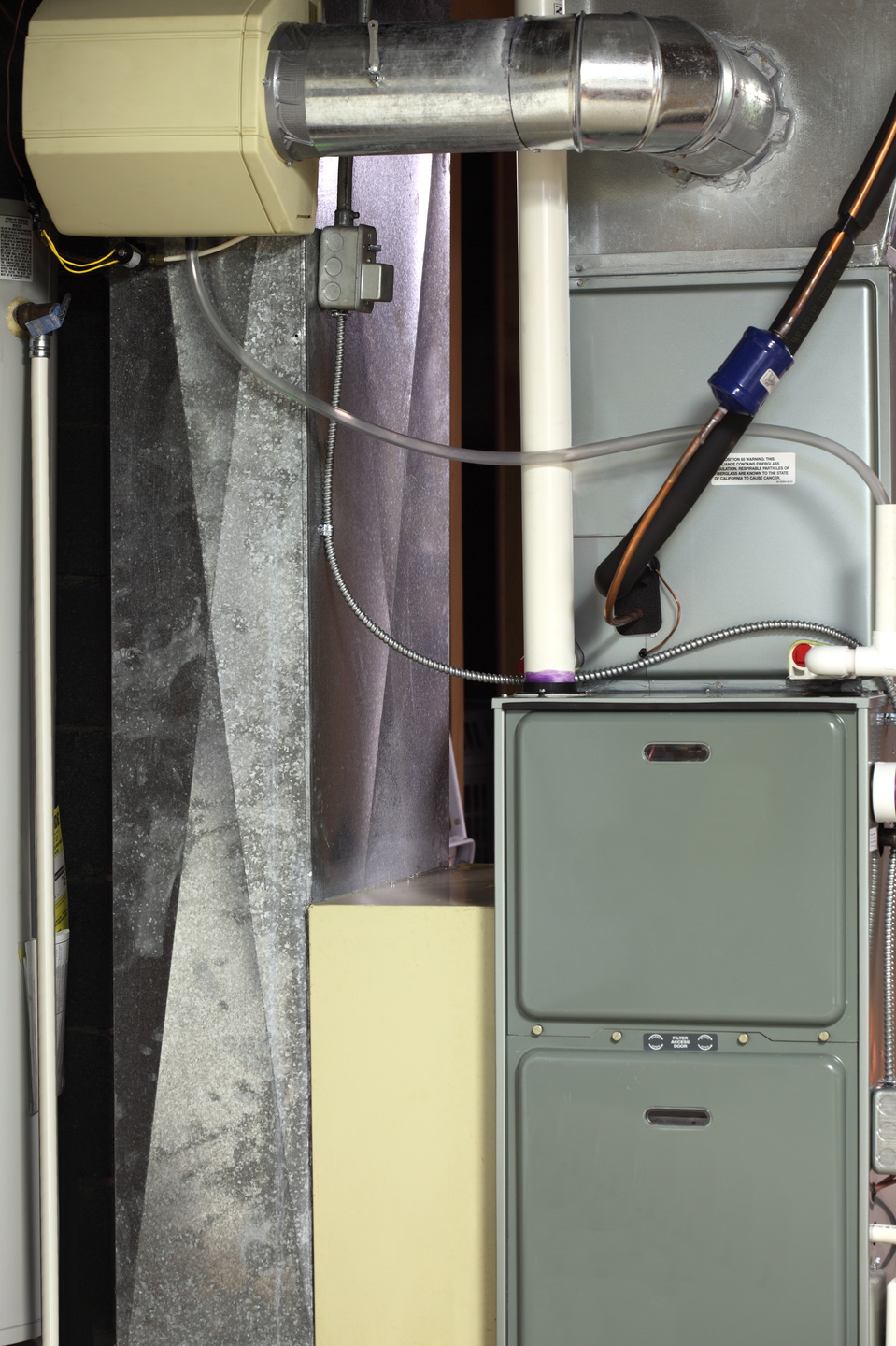
This article serves as a comprehensive guide on furnace replacement, helping you understand when it might be time to invest in a new unit. If you have an older furnace, you may be wondering when it will be time to invest in a replacement. At what point is your furnace too old to meet your heating needs? Furnaces have an average expected lifespan, and once a unit surpasses that lifespan, it becomes increasingly likely that a replacement is on the horizon. Additionally, having a home warranty can cover the costs associated with repairs or replacements, providing peace of mind and financial protection for homeowners. Financing options are also available to help make furnace replacement more affordable, subject to credit approval.
As a trusted company with deep roots in the Columbus area, our business is committed to serving homes in Columbus and surrounding communities with reliable, professional HVAC services backed by local expertise. We specialize in Columbus furnace services, including installation, maintenance, and expert advice for homeowners. Investing in a new furnace will provide you, your home, and your loved ones with a reliable heating solution.
An old furnace can lead to increased energy bills, making replacement a financially sound decision.
If you’ve been thinking about a furnace replacement in Mount Orab, OH, give our team a call to schedule your appointment. Our company takes a professional business approach and is dedicated to customer satisfaction in Columbus and beyond. We can check your furnace and give you an idea of how it is aging and whether or not it’s time for a replacement. Columbus furnace replacement is an important step for homeowners, and timely upgrades can help you avoid costly breakdowns and improve energy efficiency. Waiting until a furnace breakdown can lead to unexpected expenses and discomfort during the winter months. Then we can review your options with you so you can upgrade to a new model that will best fit your family’s needs. We are happy to provide a free estimate for your furnace replacement, ensuring you have a clear understanding of all costs before making a decision. If you’re uncertain about timing, you might also want to explore whether you need to install a new furnace before winter. You can keep reading to learn more about some of the signs that your furnace is getting up an age and needs to be replaced. Annual furnace maintenance is recommended to ensure optimal performance, efficiency, and safety. Additional furnace maintenance tips and resources are available on our web platform, where you can access comprehensive HVAC information and guides. Key steps for maintaining a furnace in Columbus, OH, include performing DIY tasks and scheduling an annual professional tune-up.
Introduction to Furnace Replacement
When it comes to heating systems, a well-functioning furnace is essential for keeping your home warm and cozy during the cold winter months. A well-functioning furnace is crucial for maintaining energy efficiency and comfort in your house, especially during the cold winter months. However, like all appliances, furnaces have a limited lifespan and will eventually need to be replaced. If you’re experiencing frequent repairs, unusual noises, or decreased efficiency, it may be time to consider replacing your furnace. In this article, we’ll explore the process of furnace replacement, including the costs, factors to consider, and local regulations. When replacing your furnace, it’s important to choose the right heating equipment that matches your home’s needs for improved energy efficiency and comfort. Understanding these elements will help you make an informed decision and ensure your home remains comfortable and energy-efficient. Selecting the best furnace for your home—considering energy efficiency, proper size, and fuel source—will help ensure optimal heating and cost-effectiveness. Professional heating system installation offers long-term comfort, improved performance, and greater energy savings. Our company is dedicated to providing exceptional customer satisfaction and personalized service throughout the furnace replacement process. With years of experience and a strong reputation in the HVAC industry, we are committed to delivering reliable solutions you can trust. Hiring a certified heating contractor for furnace installation and maintenance is essential to ensure the job is done correctly and safely. Proper installation by a licensed professional is crucial for maximizing your furnace’s efficiency, longevity, and safety.
How Long Should a Furnace Last?
Understanding your existing furnace is key to making informed decisions about replacement or upgrades. You can anticipate your furnace having a lifespan of between 10 and 15 years on average. Some furnaces may last just a little bit longer, and some furnaces can need to be replaced sooner. Much of the expected furnace’s lifespan depends on how well your furnace gets installed and how well you care for it over the years.
Partnering with a heating contractor who has the proper certifications goes a long way when it comes to furnace installation. Our team will take their time and make sure that each step of the furnace installation process is completed correctly so that you have the best chance at a long furnace lifespan. Maintaining a three-foot clearance around the furnace is essential to promote proper airflow and prevent fire hazards. A bad installation can lead to short cycling, increased energy bills, and a lower lifespan of your system. Additionally, clogged filters restrict airflow, reducing furnace efficiency and potentially causing system malfunctions.
After that, it’s up to you to keep up with regular homeowner maintenance. Examples of this include allowing your furnace to cool down, then wiping down the system to reduce the amount of dust buildup, and also checking the outside exhaust vent for any blockages. It’s also important to have both your furnace and air conditioner regularly serviced by professionals to ensure optimal performance and extend the life of your HVAC system. Additionally, testing carbon monoxide detectors before running your furnace for the heating season is crucial for safety.
Pay attention to signs that your furnace needs service, and give us a call anytime something seems out of the ordinary. Even if nothing is wrong with your furnace, it’s important to schedule maintenance once each year. We usually recommend that you schedule the service in the spring right after winter is over, and you’re ready to turn your heater off for the coming months. However, for homeowners in Columbus, it’s ideal to schedule furnace maintenance in the fall, before the heating season begins.
But you can schedule furnace maintenance anytime you want as long as you do it annually for the best results. To ensure a smooth process, review our three ways to prepare for your furnace installation. Keep in mind that annual furnace maintenance is not just a service that we recommend. It’s actually required for most furnace manufacturer’s warranties. The same applies to air conditioner maintenance, as regular servicing of your entire HVAC system is often necessary to keep warranties valid. A comprehensive annual inspection by a qualified HVAC technician is vital for furnace safety and efficiency. If you do not maintain your furnace and something major goes wrong, then you may be left footing the bill for a major repair.
If your furnace is nearing the end of its lifespan, you may also notice that its performance declines gradually. For example, it may take longer to heat your home or struggle to maintain a consistent temperature. Addressing these signs early can prevent sudden system failures during peak winter months, ensuring uninterrupted comfort for your family.
Another factor influencing furnace lifespan is the climate where you live. In regions with harsh winters, furnaces often experience heavier use, which can shorten their operational lifespan. Your usage patterns—such as how frequently and intensively you run your furnace—also play a significant role in determining how long your furnace lasts. Regular maintenance and timely repairs are particularly crucial in these areas to ensure the furnace remains reliable for as long as possible.
As your furnace approaches the end of its expected lifespan, you may also notice increased repair needs. Frequent repairs can add up quickly and may surpass the cost of investing in a newer, more efficient model. Tracking repair costs annually can help you decide when replacement becomes the more economical option.
Importance of Maintenance for Furnace Longevity
Regular maintenance is the cornerstone of a long-lasting, efficient furnace. For homeowners in Central Ohio, where winter temperatures can put any heating system to the test, investing in routine furnace tune ups is one of the smartest ways to protect your home and your wallet. By scheduling regular maintenance services, you can catch small issues before they turn into costly furnace repairs, ensuring your system delivers superior service year after year. It is also recommended to check air filters monthly during the heating season and replace disposable filters every 1 to 3 months.
A professional furnace tune up goes beyond a simple checkup. During a maintenance visit, technicians will thoroughly clean critical components like the heat exchanger, blower motor, and burners. This cleaning process helps prevent the buildup of dust and debris that can cause grinding or squealing sounds—early warning signs of bigger problems. Technicians will also inspect the thermostat and ducts to verify that your system is operating at peak efficiency and distributing heat evenly throughout your home. Routine servicing of a furnace ensures it performs at peak output with minimal effort. Annual tune-ups for furnaces are essential for safety and efficiency.
Regular maintenance doesn’t just prevent unexpected breakdowns; it also helps your furnace run more efficiently, saving you money on energy bills and reducing the frequency of repairs. Keeping your furnace in top condition leads to significant energy savings, as a well-maintained system uses less energy to heat your home. By keeping your system clean and well-adjusted, you can trust that your furnace will respond reliably, even on the coldest nights. Homeowners who prioritize maintenance enjoy peace of mind, knowing their heating system is less likely to fail when they need it most.
Don’t wait for a problem to arise—schedule your furnace tune up today and ensure your home stays warm, comfortable, and energy-efficient all winter long. Investing in regular maintenance is a simple step that can provide lasting benefits, from lower repair costs to a longer furnace lifespan.
Furnace Tune Ups: The Key to Prolonging Furnace Life
When it comes to keeping your home warm and your heating system running efficiently, regular furnace tune ups are essential. In Central Ohio, where winter can put even the best furnaces to the test, scheduling routine maintenance services is the smartest way to protect your investment and ensure your family’s comfort.
A furnace tune up is more than just a quick check—it’s a comprehensive service designed to keep your system in peak condition. During a tune up, professional technicians will perform a thorough furnace cleaning, inspect critical components like the heat exchanger, blower motor, variable speed blower motors, and burners, and verify that your thermostat and gas connections are working properly. This detailed process helps catch small issues before they turn into major furnace repairs, saving you money and preventing the stress of unexpected breakdowns.
Homeowners often notice the benefits of regular tune ups right away. A well-maintained furnace operates more efficiently, which means lower energy bills and a more comfortable home. By addressing potential problems early—such as grinding or squealing sounds, uneven heating, or rising utility costs—technicians can prevent costly repairs and extend the life of your furnace. This proactive approach is especially important in Columbus, where heating systems work overtime during the coldest months.
Choosing the right company for your furnace tune up is just as important as the service itself. Look for a business with a reputation for superior service, experienced technicians, and a commitment to customer satisfaction. At our company, we pride ourselves on our industry knowledge and dedication to providing the best possible maintenance services. Our team is trained to perform everything from furnace cleaning and repair to installation and system verification, ensuring your furnace is always ready to respond when you need it most. Professional furnace installations are crucial for long-term reliability and efficiency, especially for homeowners in Columbus, Ohio.
If you notice signs like strange grinding or squealing sounds, inconsistent heat, or a sudden spike in your energy bills, don’t wait—schedule a furnace tune up right away. Waiting until your furnace fails can lead to costly emergency repairs and uncomfortable nights without heat. With our easy scheduling process and responsive technicians, verification successful waiting for your appointment is over—you can trust us to provide prompt, professional service every time.
Regular furnace tune ups are the key to a long-lasting, efficient heating system. By investing in annual maintenance, you can prevent common issues, save money, and enjoy peace of mind knowing your furnace is in expert hands. Don’t let furnace problems catch you off guard—contact us today to schedule your tune up and experience the superior service that homeowners across Central Ohio rely on. Your comfort, safety, and satisfaction are always our top priorities.
Signs of Furnace Aging
As heating systems age, they can become less efficient, leading to increased energy bills and higher maintenance costs. One of the most telling signs of an aging furnace is the need for frequent repairs. If you find yourself calling a technician more often than not, it might be time to consider replacing the unit. Most furnaces have a lifespan of 20-30 years, but with proper maintenance, some can last even longer. Additionally, most heating systems lose efficiency as they age, making it even more important to monitor their performance and consider timely replacements. An aging furnace can also cause your utility bills to rise due to decreased efficiency.
Unusual noises, such as banging or clanking, are another red flag that your furnace is nearing the end of its life. These sounds often indicate internal components are wearing out or becoming misaligned. Additionally, if you notice that your furnace is not heating your home evenly, it may be struggling to distribute heat efficiently, signaling that it’s time for a replacement.
For instance, an oil furnace can be more costly to maintain and operate compared to other types of furnaces, making it important to consider the long-term costs when evaluating replacement options.
When considering a new furnace, it’s essential to factor in the total furnace cost, including installation, labor, and any necessary repairs. While regular maintenance can help extend the life of your furnace, it’s crucial to weigh the costs of ongoing repairs against the investment in a new, more efficient unit. Be sure to get a detailed estimate of furnace replacement costs from an HVAC professional, as these can vary depending on equipment, labor, and any additional work required. In some cases, a heat pump or electric furnace can be a more efficient option, especially if you live in a mild climate. A Manual J Load Calculation helps determine the appropriate furnace size and capacity for your specific needs. Upgrading to a newer model can save you money in the long run and ensure your home stays warm and comfortable.
Signs of Furnace Failure
As heating systems age, they can become less efficient, leading to increased energy bills and higher maintenance costs. One of the most telling signs of an aging furnace is the need for frequent repairs. If you find yourself calling a technician more often than not, it might be time to consider replacing the unit. Most furnaces have a lifespan of 20-30 years, but with proper maintenance, including professional furnace cleaning as part of regular service, some can last even longer. Additionally, most heating systems lose efficiency as they age, making it even more important to monitor their performance and consider timely replacements. Some furnaces may continue to operate despite underlying issues, which can result in more severe damage if not addressed promptly.
Unusual noises, such as banging or clanking, are another red flag that your furnace is nearing the end of its life. These sounds often indicate internal components are wearing out or becoming misaligned. Additionally, if you notice that your furnace is not heating your home evenly, it may be struggling to distribute heat efficiently, signaling that it’s time for a replacement.
For instance, an oil furnace can be more costly to maintain and operate compared to other types of furnaces, making it important to consider the long-term costs when evaluating replacement options. Relying on professional knowledge is essential for accurately diagnosing furnace aging and determining whether repair or replacement is the best solution.
When considering a new furnace, it’s essential to factor in the cost of installation, ductwork, and any necessary repairs. Selecting the correct furnace size for your home is crucial for efficient operation and comfort. Choosing the appropriate furnace size, determined through professional calculations such as Manual J Load Calculations, helps prevent issues like short cycling, poor heating performance, and higher energy bills. While regular maintenance can help extend the life of your furnace, it’s crucial to weigh the costs of ongoing repairs against the investment in a new, more efficient unit. In some cases, a heat pump or electric furnace can be a more efficient option, especially if you live in a mild climate. Upgrading to a newer model can save you money in the long run and ensure your home stays warm and comfortable.
Heating System Options
When it comes to heating system options, homeowners have several choices. Upgrading to a replacement hvac system can significantly improve comfort and efficiency in your home. A heat pump can be an efficient way to heat a home, especially in mild climates, and also provides air conditioning as part of whole-home climate control. Electric furnaces are also a popular option, but they can use more energy compared to other heating systems. Additionally, electric furnace operating costs are directly affected by electricity rates, which can impact overall affordability. Oil furnaces and natural gas furnaces are other options, but they require more maintenance and can be more costly to install. Geothermal heating systems are a unique option that can be more efficient and environmentally friendly. Propane furnaces are also available, but they can be more expensive to operate.
When considering new heating system installation, it’s important to understand how a properly installed hvac system can ensure long-term reliability and optimal home performance. The best bet for homeowners is to consider their specific needs and budget when choosing a heating system. It’s essential to weigh the costs and benefits of each option, including the cost of installation, maintenance, and fuel. Consulting with a certified heating contractor can help you choose the best heating system for your specific needs and budget.
Natural Gas Furnaces
Natural gas furnaces are a popular choice for many homeowners due to their efficiency and cost-effectiveness. These furnaces generate heat by combusting natural gas or propane, producing warmth efficiently and reliably. However, they can also be prone to certain issues, such as carbon monoxide leaks or faulty heat exchangers. Regular maintenance is crucial to ensure the safe and efficient operation of natural gas furnaces. This includes checking the burners, inspecting the ductwork, and replacing the air filter regularly. Gas furnaces can achieve high AFUE ratings of up to 98% in top models. Proper inspection and servicing of your furnace are essential to prevent fire hazards and ensure the safety of your home. By taking these steps, you can help extend the lifespan of your natural gas furnace and prevent costly repairs. Ensuring that your furnace is running efficiently not only saves money but also provides peace of mind regarding your household’s safety.
Alternative Heating Systems
If you’re considering replacing your furnace, you may want to explore alternative heating systems, such as heat pumps or geothermal systems. These systems can be more efficient and cost-effective in the long run, especially for homeowners who live in areas with mild winters. Heat pumps, for example, can provide both heating and cooling, making them a versatile option for many homeowners. Geothermal systems, on the other hand, use the natural heat of the earth to provide warmth, making them a highly efficient and environmentally friendly option.
If you prefer a traditional furnace, a single stage furnace is a basic and affordable option, operating with only two settings—full heat and off. Additionally, upgrading to new furnaces ensures you meet updated efficiency standards, as all new furnaces in the United States must have a minimum AFUE of 80% since 2015. By evaluating these alternatives, you can find a heating solution that best fits your needs and budget.
Air Quality Considerations
When planning a furnace installation or furnace replacement in Columbus, it’s essential to think beyond just heating output and energy efficiency—indoor air quality should be a top priority for every homeowner. The type of heating system you choose, the way it’s installed, and how it’s maintained can all have a significant impact on the air you and your family breathe every day.
A properly installed and well-maintained heating system helps minimize the release of combustion gases, moisture, and particulate matter into your home. For example, a natural gas furnace with a high annual fuel utilization efficiency (AFUE) rating not only delivers more heat for less energy but also reduces emissions, supporting better indoor air quality. Electric furnaces and heat pumps, which don’t produce combustion gases, can be excellent options for those especially concerned about air quality, though each system has its own considerations regarding energy costs and efficiency.
Regular maintenance is crucial for keeping your furnace—and your air—clean. Scheduling annual furnace maintenance and timely furnace repair ensures that filters, ductwork, and ventilation systems are free from dust, allergens, and other pollutants. Upgrading to high-efficiency filters or adding air purification systems to your HVAC system can further improve air quality, capturing more airborne particles and reducing allergens throughout your home.
A furnace replacement is also the perfect opportunity to assess your home’s overall air quality and make improvements. Modern high-efficiency furnaces, such as modulating furnaces and variable speed models, are designed to operate more cleanly and efficiently, helping to maintain a healthier indoor environment. Heat pumps are another energy-efficient option that can both heat and cool your home while minimizing the introduction of pollutants.
When selecting a new heating system, consider the fuel source—natural gas, electricity, or oil—and how each impacts both furnace efficiency and air quality. Consulting with a skilled HVAC contractor ensures your new furnace installation is done right, with proper ventilation and safety controls in place to protect your family’s health.
In Columbus, where cold weather means your heating system works overtime, prioritizing air quality during furnace installation or replacement can make a noticeable difference in your home’s comfort and your family’s well-being. By choosing the right furnace type, investing in regular maintenance, and working with experienced HVAC professionals, you can enjoy both lower energy costs and cleaner, healthier air all season long.
Why Replacing an Aging Furnace Saves You Money
If your furnace is reaching the 15-year mark or has already passed it, you may be hoping to get as much life as possible out of the unit. Before deciding to upgrade, it’s important to evaluate your existing furnace to understand its current condition and performance. While we totally understand this, we do encourage you to consider making the decision to upgrade your furnace sooner rather than later. The older that your furnace gets, the more outdated its safety and efficiency standards become. Additionally, as furnaces age, they experience increased stress from years of use, which can lead to unexpected breakdowns and costly repairs.
Upgrading to a new, more efficient furnace can lead to lower energy bills, providing long-term financial savings. Choosing the right replacement hvac system for your home is essential to maximize comfort and efficiency.
Furnaces that were installed a couple of decades ago are far less efficient compared to the models that we are installing today. Even though installing a new furnace is a major expense, you stand to save money on your monthly energy costs, as well as boosting your family’s safety. If you’re still debating whether it’s the right time, consider the benefits of upgrading your furnace in Mount Orab, OH to improve both energy efficiency and safety in your home. New heating systems are your best bet for achieving these improvements. Professional furnace installations are crucial to ensure your new system operates safely and at peak efficiency for years to come.
While portable electric heating units are inexpensive to purchase, they can lead to higher electric bills if used extensively, making a new furnace a more cost-effective long-term solution. Portable electric heating units range in price from $15 to $1,000, offering a wide variety of options for homeowners depending on their needs and budget.
Another benefit of upgrading to a newer furnace is the ability to take advantage of modern technology. Many new models come equipped with smart thermostats and advanced diagnostics, which allow you to monitor and optimize your system’s performance. These features not only improve efficiency but also provide valuable insights into how to reduce energy usage further. If you are considering an efficient electrical heating system, a heat pump is a great bet due to its superior performance over other types of heating like baseboard heaters. Heat pumps work by taking heat from the outside air and moving it inside, making them an energy-efficient and environmentally friendly option.
Upgrading to a new furnace also provides an opportunity to explore advanced features, such as variable-speed blowers and multi-stage heating. These technologies improve comfort by maintaining more consistent temperatures throughout your home while reducing energy consumption. Variable-speed blower motors provide more consistent, quieter heating and better comfort than single-stage units. Investing in these modern enhancements can further increase the value and efficiency of your heating system.
Newer furnace models often come equipped with enhanced safety features, such as automatic shutoff mechanisms and advanced heat exchangers designed to prevent carbon monoxide leaks. Upgrading to a modern furnace not only improves efficiency but also provides peace of mind for your household’s safety. These unique features set modern furnaces apart from older models, ensuring better performance and safety. Reliable heating is especially important during the night and holidays, when you need uninterrupted comfort and safety for your family.
Shafer Heating & Cooling, LLC: You are just one call away from the comfort and savings you deserve! Schedule an appointment today for your new HVAC installation appointment.