In our last post, we talked about the importance of scheduling heating maintenance during the fall so you’re prepared for the coming winter. Maintenance does have its limits, however. At some point, the furnace that warms your home and keeps your family safe during cold weather will move beyond where repairs and regular maintenance will do much good. Time for a new furnace.
Is this the fall when you decide to stop maintaining or repairing your furnace and instead invest in a new one? We’ll look at some of the factors that can help you decide about a furnace replacement in Hillsboro, OH. If you’re unsure whether your furnace still has life left in it, consider our guide on when repairing your heater is no longer worth it to make an informed decision.
When Should You Consider a New Furnace Installation?
You should consider a new furnace installation when your current furnace:
- Is about 15 years old or beyond its expected service life
- Creates uneven heating or new cold spots
- Shows corrosion or signs of declining performance
- Causes heating bills to rise without increased usage
- Needs frequent or increasingly expensive repairs
These warning signs can indicate that a furnace install is more cost-effective than continuing to repair an aging system.
The age of the furnace
The standard gas furnace can last around 15 years if it has regular maintenance. Electric furnaces can last 20 or more years. If your furnace is above its service life estimate, we strongly recommend having it replaced, even if it still seems to outwardly work well. The furnace will become less reliable, more prone to repairs, and more costly to run once it becomes too old. If your furnace is approaching the upper range of its service life, pay even closer attention to other warning signs that it’s in decline.
Uneven heating
Does your furnace leave cold spots around your house when this wasn’t a problem before? This is one of the biggest warning signs that a furnace is dying. It’s losing its heating capacity so that it can provide warmth for the center of the house but can’t reach the more distant rooms. If the furnace is already old, uneven heating is a good reason to get a new furnace. For additional insights, read about why your furnace may not evenly heat your house.
Another sign of uneven heating can be increased noise levels from your furnace. A struggling furnace may make banging, rattling, or whistling noises as it attempts to push air through the system. This not only indicates declining performance but also potential mechanical issues that could hasten the need for a replacement.
Corrosion
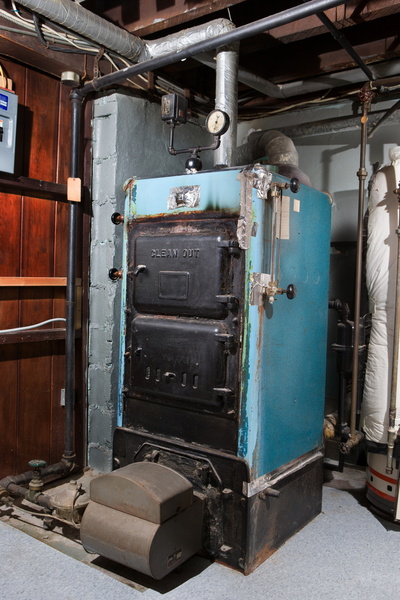
This is a serious problem with gas furnaces. With time, the reaction between combustion gas and the metal of the heat exchanger can cause corrosion, and this can weaken the heat exchanger to the point where it cracks and allows toxic gas into the home. Corrosion is also generally a sign a furnace is far too old. We advise having a replacement done as soon as possible.
Rising heating costs
Keep a watch on how much you pay on your energy bills (electric or gas) each winter. This way you can track if you’ve started to pay more. If you’ve noticed an increase in heating costs and it isn’t due to a change in energy prices or greater use of the furnace, then it’s worthwhile having professionals come to inspect the furnace to find out if it’s failing. You might also consider our tips for saving money this winter with your heating system to help manage costs effectively.
If you’re unsure whether rising costs are tied to furnace inefficiency or other factors, consider scheduling an energy audit. This process evaluates your home’s overall energy usage and identifies whether the furnace or other systems are contributing to the spike in expenses. Addressing issues highlighted by an audit can provide clarity and ensure your replacement decision is well-informed.
High energy bills may also be a sign that your furnace’s efficiency rating has become outdated. Modern furnaces with advanced features, such as variable-speed motors and sealed combustion, can significantly reduce energy consumption compared to older models, making replacement an investment that pays off in lower utility costs.
Expensive repairs
You can use some rules of thumb to gauge whether a specific repair is worth the cost or if it’s better to replace the furnace. One is the “Rule of 5,000.” Take the age of the furnace in years and multiply it by the estimated cost of the repair. Is the result greater than 5,000? If so, it’s more cost-effective to put that money into purchasing a new furnace. We also don’t recommend paying for any repair that’s more than half the price of a replacement furnace.
It’s also worth evaluating the availability of replacement parts for your current furnace. As models age, manufacturers may discontinue certain components, making future repairs more challenging and costly. If you’re already struggling to source parts, it’s a strong indicator that upgrading to a new furnace is the smarter long-term choice.
Frequently Asked Questions
Question: What are the signs that I need a new furnace before winter?
Answer: Warning signs include uneven heating, rising energy bills, frequent repairs, increased operating noise, and visible corrosion. These problems can indicate that the furnace is losing efficiency or nearing the end of its service life. An older furnace showing several of these symptoms may be a strong candidate for replacement.
Question: How long does a furnace usually last?
Answer: A gas furnace can typically last around 15 years with regular maintenance, while an electric furnace may last 20 years or more. As a furnace moves beyond its expected service life, it can become less reliable, require more frequent repairs, and cost more to operate during the heating season.
Question: Why is uneven heating a sign that a furnace may need replacement?
Answer: Uneven heating can indicate that a furnace is losing its ability to distribute enough warmth throughout the home. You may notice cold spots or rooms farther from the system staying cooler than before. When this happens with an older furnace, replacement may be more practical than continuing to repair declining equipment.
Question: Can an old furnace cause higher heating bills?
Answer: Yes. An aging furnace may become less efficient as internal components wear down, causing the system to run longer or work harder to maintain a comfortable temperature. If heating bills continue to rise without significant changes in energy rates or usage, declining furnace efficiency may be one possible cause.
Question: Is it better to replace a furnace before winter starts?
Answer: Replacing an aging or unreliable furnace before winter can help reduce the risk of an unexpected breakdown during cold weather. It also gives homeowners time to choose an appropriate replacement system and complete the installation before heating demand increases. A professional inspection can help determine whether replacement is necessary.
Shafer Heating & Cooling, LLC: You are just one call away from the comfort and savings you deserve!